
Comparing Kitchen Countertop Materials and Installation Steps
Granite shrugs off a hot pan, quartz shrugs off red wine, and laminate costs a fraction of either. Five common countertop surfaces compared on heat, stains, seams and sinks, followed by what happens between templating and the day the plumber reconnects the faucet.
A countertop is the surface you touch most in a kitchen, and the one that is hardest to change once the backsplash tile is on. The right choice depends less on looks than on how you cook: whether pots come straight off the burner onto the counter, how often lemon juice and wine get spilled, and how long the runs are.
How the five materials behave
Granite
Granite is quarried stone, so every slab is different. It handles heat well, which is why it has been a kitchen favorite for decades. It is also porous to a degree that varies by stone, and most granites need a penetrating sealer reapplied from time to time. When the sealer wears thin, oil and wine can leave dark spots. Granite is heavy, so the cabinet boxes under it should be sound and fully fastened.
Quartz
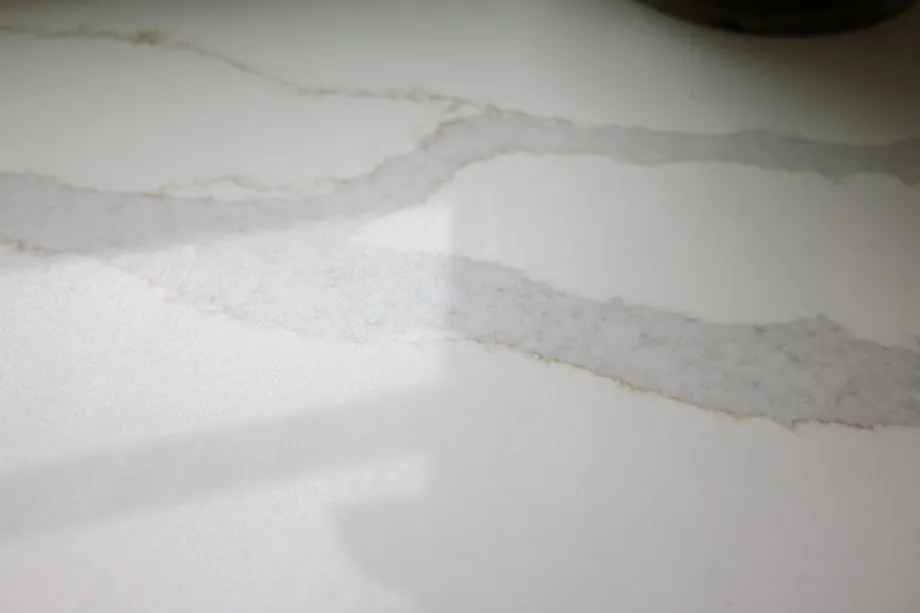
Engineered quartz is crushed stone bound with resin and pigment. It is non-porous and needs no sealing; spills wipe off with soap and water. The resin is its weak point with heat, since a hot pan set straight down can scorch or discolor the surface. Colors are consistent from slab to slab, which helps on large kitchens that need several pieces.
Solid surface
Solid surface is acrylic or polyester resin with mineral filler, and the color runs through the full thickness. Light scratches and shallow stains can be sanded out. Heat resistance is modest, so hot pans need a trivet. Its best trick is the seam: pieces are joined with color-matched adhesive and sanded, and a good joint is very hard to find afterward.
Butcher block
Hardwood counters, usually maple, oak or walnut, bring warmth to a kitchen. They also bring upkeep. An oiled top needs fresh food-safe oil every so often to keep the wood from drying and checking, and standing water near the sink leaves dark marks. You can cut on an oiled top and sand out the knife marks later. A film finish such as varnish keeps water out better, but you lose the cutting surface.
Laminate
Laminate is a resin-soaked decorative sheet bonded to a particleboard or MDF core. Current patterns imitate stone and wood far better than the boomerang prints of 1960s kitchens, and the price is well below stone. It resists stains and cleans easily. A hot pot can blister it, and once water reaches the core through a failed edge or seam, the swelling cannot be undone.
Heat, stains, seams and sinks
On heat, the materials split into stone and everything else. Granite tolerates hot cookware; quartz, solid surface and laminate all have resin that can mark; wood can char.
On stains, non-porous surfaces win. Quartz, solid surface and intact laminate shrug off coffee, vinegar and wine. Granite depends on its sealer, and acids can dull a polished finish if it wears off. Butcher block absorbs spills unless the oil is kept up or the top is sealed.
Seams are unavoidable on long runs and L-shaped layouts because slabs come in limited sizes. Stone and quartz seams are filled with tinted epoxy and pulled tight with clamps, but a thin line stays visible. Ask the fabricator where seams will fall before you sign off on the layout, and keep them away from the sink and cooktop where possible.
Sink choice follows the material. An undermount sink hangs below the cutout so crumbs wipe straight in, and it needs a rigid, water-resistant material like granite, quartz or solid surface. A drop-in sink sits on top with its rim covering the cut edge, which is what standard laminate needs. Butcher block can take an undermount sink if the exposed end grain is thoroughly sealed and kept that way.
Edge profile matters more than people expect. A sharp square edge on stone or quartz chips when a cast iron pan clips it. An eased edge, with the corners slightly rounded, holds up much better. Bullnose and ogee profiles are decorative options that cost more to fabricate.
Templating and installation
Before the template
Base cabinets must be installed, fastened to studs and level along their tops. The fabricator also needs final decisions on the sink, faucet, cooktop and any soap dispenser, either on site or as manufacturer spec sheets, because every cutout is sized from them. Changing the faucet after templating can mean drilling stone on site or living with the wrong hole.
Making the template
Templating happens on the installed cabinets. Some shops still use thin strips of plywood or plastic hot-glued into a pattern, marked with sink centerlines, overhangs and seam locations. Others use a digital measuring system that records the walls, including the bows and out-of-square corners that older plaster walls are known for, and sends the file straight to the shop.
Fabrication
In the shop, saws and CNC equipment cut the slabs, open the sink and cooktop holes and shape the edges, usually with water to keep stone dust down. Cutting quartz and stone produces silica dust, which is one reason reputable fabricators keep cutting in the shop rather than on your kitchen floor. Finished pieces travel upright on an A-frame so narrow strips around cutouts do not crack.
Install day
The kitchen should be clear of other trades. A typical sequence:
- Dry-fit each piece to check fit against walls and overhangs.
- Scribe and trim the back edges where a wall wanders.
- Set the pieces on adhesive along the cabinet tops.
- Pull seams tight with seam setters and fill with tinted epoxy.
- Clean excess epoxy flush before it hardens.
- Hang undermount sinks with clips and silicone.
- Drill any faucet or accessory holes not cut in the shop.
The plumber comes back once the adhesive has cured. Reconnecting the drain and disposal too early can pull a freshly set undermount sink loose.
Frequently asked questions
How long should you wait to reconnect plumbing after countertop installation?
Follow the fabricator's instructions, which commonly ask for about a day. Undermount sinks hang on clips and silicone, and connecting drains and the disposal too early can strain the bond before it has cured.
Why do cabinets need to be level before countertop templating?
Stone and quartz slabs are rigid and do not flex to follow a cabinet run that dips or twists. A slab sitting on high spots carries uneven stress and can crack, and seams will not line up flush. Installers check the cabinet tops before they template.
Which countertop material handles hot cookware best?
Granite tolerates heat better than the other common choices, though a trivet is still a good habit near seams and cutouts. Quartz and solid surface contain resin that can scorch or discolor, laminate can blister, and butcher block can char.
Can undermount sinks be installed on laminate countertops?
With standard laminate it is generally not recommended. The cutout exposes the particleboard core, and water around the sink makes it swell. A drop-in sink that covers and seals the cut edge is the usual choice; a few specialty laminate edge systems allow undermounting, so ask the fabricator.