
How Long Does a Bathroom Remodel Really Take
A full bathroom remodel typically takes 3 to 6 weeks from demolition to final walk-through. The exact timeline depends on the size of the room and whether you move plumbing. A phase-by-phase breakdown helps you plan.
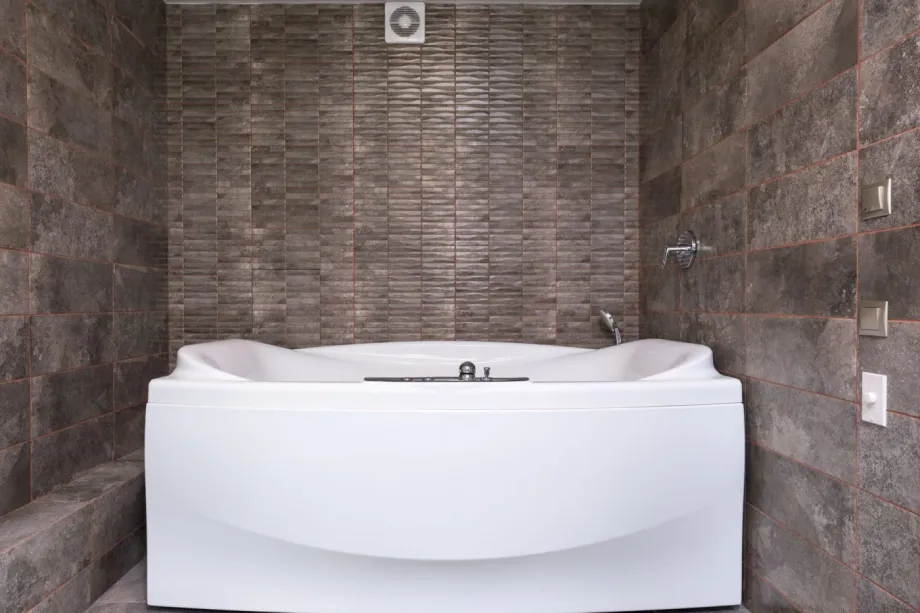
What is a realistic timeline for a standard bathroom remodel
A straightforward bathroom remodel in a 5×8 ft space, where you keep the same footprint and do not move plumbing, typically takes about three weeks from the first day of demolition to the final walkthrough. The trades flow in sequence, so the schedule stays tight as long as materials are on site and no hidden damage turns up.
A larger bathroom or one where you change the layout, move a toilet or shift a shower drain, runs closer to four to six weeks. Adding custom glass enclosures, heated floors or extensive waterproofing can push the timeline toward the upper end of that range. The extra time comes from framing new walls, rerouting pipes inside the floor structure and waiting for inspections between rough-in and close-up.
What happens week by week during a bathroom renovation
A full bathroom remodel typically unfolds in a predictable sequence, with each week dedicated to a distinct phase. This timeline covers a standard 4- to 5-week project with no footprint changes or hidden damage.
- Week 1: Demolition and rough-in. The crew strips the room down to the studs and subfloor, hauls away debris, and runs new plumbing, electrical wiring, and exhaust ducting. The shower valve, tub, and any recessed lighting housings go in before the walls are closed.
- Week 2: Inspections and drywall. A building inspector checks the rough-in work. Once it passes, the crew hangs moisture-resistant drywall, tapes the seams, and pours a self-leveling underlayment on the floor if tile is going down.
- Week 3: Tile and waterproofing. The shower area gets a waterproof membrane or cement board, then wall and floor tile installation begins. Grouting usually follows a day later, and the tile needs 24 hours to cure before anyone walks on it.
- Week 4: Fixtures, trim, and paint. The vanity, toilet, faucets, and lighting fixtures are installed. The crew paints the ceiling and walls, hangs the mirror, and mounts towel bars and accessories. The plumber connects the sink and toilet and tests for leaks.
- Week 5: Glass, punch list, and cleanup. The shower door is measured and installed, the crew touches up paint and caulk, and a final walkthrough catches any remaining details before the room is handed back to you.
How long does each phase actually take
A contractor can give you a day-by-day schedule once the job is scoped. Typical ranges for a mid-size bathroom are below.
- Demolition and debris removal: 1 to 2 days. Stripping out tile, the vanity, and the old tub or shower is fast. The crew protects the path to the bathroom and hauls away debris the same day.
- Rough plumbing and electrical: 2 to 5 days. The plumber moves supply lines and drain locations, while the electrician runs new circuits for outlets, lighting, and a vent fan. This phase takes longer in older homes where pipes or wiring need to be brought up to code.
- Inspections: 1 to 3 days of waiting. After the rough-in work is done, the local building department sends an inspector. The work stops until the inspection passes, so the contractor usually schedules it as early as allowed.
- Tile and waterproofing: 3 to 7 days. The installer applies a waterproof membrane or cement board, then sets the wall and floor tile. Large-format tiles and complex patterns add time, and the thinset needs a full day to cure before grouting.
- Finishing: 2 to 5 days. This covers installing the vanity, toilet, trim, mirrors, and light fixtures, then paint touch-ups and a final clean. The plumber returns to set the faucets and connect the shower trim.
Each phase depends on the one before it, so a one-day delay in tiling pushes the finishing work back by the same amount.
What slows down a bathroom remodel the most
Moving the toilet or shower drain causes the longest delays. Relocating plumbing means opening the floor, altering the waste line and sometimes reframing joists. A drain that stays put lets you keep the waterproofing and subfloor intact, but shifting one can add a solid week to the rough-in phase before any tile goes down.
Inspections create gaps between crews. Walls stay open until the inspector signs off on the rough plumbing and electrical. A backlog at the building department can add three to five days between rough-in and drywall.
- Moving the toilet or shower drain requires opening the floor and modifying the waste line.
- Inspector backlogs leave finished rough-in work waiting behind open studs for days.
- Custom vanities with a lead time of six to ten weeks can stall a project if ordered late.
- Discovering rot or mold behind old tile forces unplanned framing and waterproofing repairs.
- Changing tile patterns or grout color after the material arrives pushes the tiling start date back.
- Niche or imported fixtures that ship without a tracking number often vanish from the schedule entirely.
A custom vanity ordered after demolition can halt progress for weeks. A factory-built vanity ships in days, but a made-to-order piece with a specialty finish or odd dimensions routinely takes two months or longer. The countertop fabricator cannot template until the vanity is installed, so the delay pushes back the plumbing trim-out and final inspection.
How much faster is a cosmetic update than a full gut remodel
A cosmetic bathroom refresh typically takes 5 to 10 working days. You keep the existing layout, so no walls come down, no supply lines move, and no new drains go in. The crew swaps the vanity, toilet, mirror, light fixture, and faucet, then paints the walls and ceiling.
A full gut remodel strips the room down to the studs and floor joists. That adds rough-in work for plumbing and electrical, waterproofing, tile installation, and extended drying times for mortar and grout. The same square footage that gets a cosmetic update in a week and a half will take 4 to 8 weeks when you change the footprint or open walls.
Three time-consuming steps that a cosmetic job skips entirely make the difference:
- Relocating the toilet, shower, or vanity supply and waste lines
- Installing a waterproof membrane and waiting for it to cure before tiling
- Setting wall and floor tile with the required setting and grout drying periods
When should I order materials so the schedule does not slip
Order tile, vanity, faucets, and shower trim at least 2 to 4 weeks before demolition starts. Stock items from local suppliers often arrive within a week, but backorders are common, and a single missing faucet can idle a crew for days. Having everything on site before the first hammer swings keeps the work moving.
Custom cabinets and specialty shower glass need much more lead time, typically 6 to 10 weeks. Place those orders the moment you sign the contract with your contractor. A custom vanity built to fit an alcove or a specific sink cannot be swapped out last minute without redoing rough plumbing and wall finishes.
Lighting fixtures, exhaust fans, and medicine cabinets are easy to overlook early on. Order them at the same time as the tile so the electrician can rough in the correct boxes and blocking during framing and plumbing, not after the drywall is up.
Frequently asked questions
Can I live in the house during a bathroom remodel
Yes. Most clients stay in their home. You will need a second bathroom for 3 to 6 weeks. If the house has only one bathroom, plan for a portable toilet or a short stay elsewhere during the rough-in and tiling weeks.
Why does moving the toilet add so much time
Relocating a toilet drain requires cutting into the subfloor, running new waste pipe, and sometimes reinforcing joists. The plumbing rough-in alone can add 2 to 5 days, and the work must pass an inspection before the floor is closed up.
How long does a permit add to the project
A straightforward permit review usually takes 1 to 2 weeks in most towns. More complex changes, such as moving walls or drains, can take 3 to 4 weeks for plan approval. The contractor typically submits the permit before the start date so paperwork does not delay the site work.
What is the shortest realistic timeline for a small bathroom
A small powder room with no plumbing changes and off-the-shelf finishes can be completed in 10 to 14 working days. That assumes all materials are on site before demolition and no hidden damage is found behind the walls.