
Best Flooring for a Basement That Stays Dry and Looks Good
Choosing the right basement floor means picking a material that handles occasional dampness and feels comfortable underfoot. We compare vinyl plank, tile, engineered wood, and epoxy so you can decide based on how you use the space.
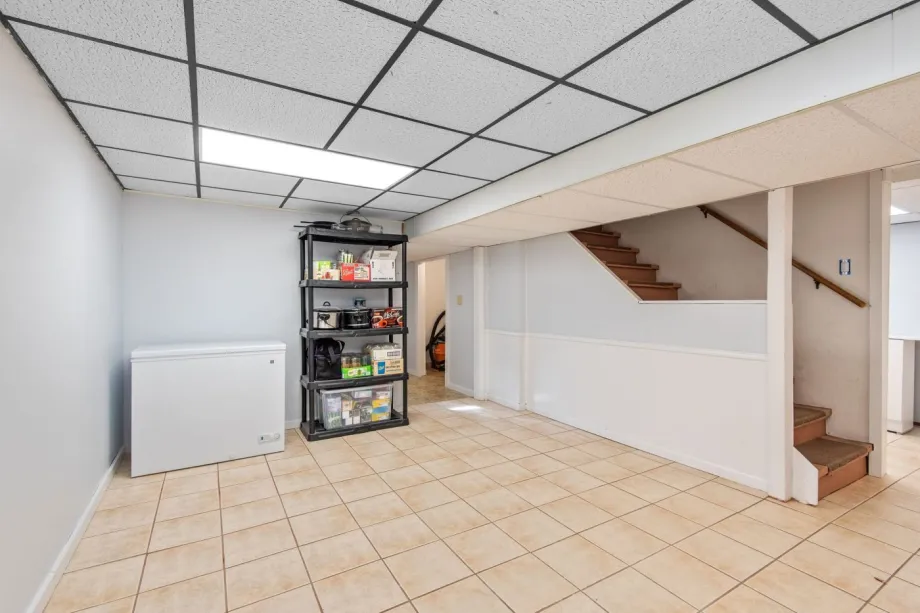
What makes a floor suitable for a basement?
A basement floor has to handle moisture from below and temperature swings that upstairs floors never see. A basement floor must tolerate moisture and work over a concrete slab. Any material that traps water, swells, or supports mold will fail within a few seasons.
Concrete slabs constantly release water vapor, even when they look dry. The floor covering must either let that vapor pass through without damage or block it completely with a vapor barrier underneath. Materials that absorb moisture, such as solid hardwood and most carpet, are poor choices here.
The second factor is how the floor connects to the concrete. Some products float over an underlayment, others glue down directly, and a few require a raised subfloor system. The right installation method depends on the slab's flatness, the height of the basement ceiling, and the results of a moisture test before any material goes down.
Luxury vinyl plank: the all-around choice
Luxury vinyl plank (LVP) handles the two main basement problems better than most materials: occasional dampness and a concrete subfloor that is never perfectly flat. Its rigid core is completely waterproof, so a minor leak or ground moisture will not swell or warp the planks. A good wear layer also resists scratches from storage bins, pet claws and foot traffic.
Underfoot, vinyl feels noticeably warmer than tile or epoxy. That matters in a basement where the slab stays cool year-round. Most LVP lines use a click-lock system that floats over the slab without glue or nails, and many include an attached underlayment. You can walk on the floor the same day it is laid.
When does tile make more sense than vinyl?
Tile is the better pick when you want a floor you install once and never replace. Porcelain and ceramic tiles do not warp, stain, or trap odors, and they handle standing water better than any floating floor. In a basement that floods occasionally, tile survives while vinyl planks may need to be pulled up to dry the subfloor.
The trade-off is a cold, hard surface that makes a basement feel less like a living space. Tile conducts heat away from your feet, so barefoot comfort is poor unless you install an underfloor heating system. That extra step adds cost and height to the floor, which matters in basements with low ceilings.
Tile works better than vinyl plank when:
- You have a walk-out basement with heavy foot traffic from the yard and need a surface you can scrub with a hose or a wet mop.
- The basement houses a wet bar, a secondary kitchen, or a laundry room where appliance leaks are a real risk.
- You live in a humid climate where the slab sweats in summer and want a floor that breathes through grout joints rather than trapping moisture underneath.
- You are finishing a basement in a rental property or a forever home and you value a permanent installation over the easier replacement of a floating floor.
Engineered wood in a basement: only with these conditions
Engineered wood can work below grade, but the margin for error is slim. Unlike vinyl or tile, the wood veneer and plywood core will swell and delaminate if the slab stays damp. You need a concrete slab with a verified moisture vapor emission rate below 3 pounds per 1000 square feet per 24 hours, tested with a calcium chloride kit after the HVAC has run for at least 48 hours.
A proper subfloor assembly is mandatory. Lay a 6-mil polyethylene vapor barrier directly on the slab with seams taped and turned up at the edges, then install a dimpled underlayment or a floating plywood subfloor rated for below-grade use. The manufacturer must explicitly approve the specific engineered product for basement installation in writing; many warranties exclude below-grade rooms even when the construction ply core suggests otherwise.
- Test the slab with a calcium chloride kit, not a surface meter, to get a reliable reading.
- Keep the basement humidity between 30% and 50% year-round with a dehumidifier.
- Use a product with a waterproof core, such as an SPC or WPC composite, rather than standard plywood-core planks.
- Leave a 3/8-inch expansion gap around the perimeter and at any fixed obstacles.
- Acclimate the flooring in the basement for the time the manufacturer specifies before installation.
Epoxy coatings: durable but not for every basement
An epoxy coating bonds directly to a concrete slab to form a single seamless membrane that water and moisture vapor cannot pass through. The surface shrugs off spills, resists stains and handles heavy foot traffic without peeling the way a topical paint does. The finish ranges from a solid color to a decorative flake or metallic look, so the floor can read as a deliberate design choice rather than unfinished concrete.
The catch is that epoxy will not hide a slab in bad shape. The concrete needs to be clean, free of existing sealers and dry enough to pass a moisture test. Cracks and spalls must be patched, and the surface is usually diamond-ground or shot-blasted to open the pores so the coating can grip. If the slab moves or traps moisture from below, the epoxy can delaminate in sheets, and fixing it means grinding the whole floor down and starting over.
Underfoot, epoxy is hard and cold. In a basement used as a playroom, a home gym or a workshop that trade-off may not matter, but for a living area most people add area rugs or interlocking foam tiles to soften the feel. The surface can also become slippery when wet unless a non-slip aggregate is mixed into the topcoat.
What raises or lowers the cost of a basement floor?
Material price per square foot is the most visible difference, but it rarely tells the whole story. A low cost vinyl plank might cost less than tile to buy, yet the prep work underneath can flip the total. The final number depends more on what you are starting with than on the sticker price of the finish layer.
Several jobs that sit below the surface drive the budget up or down:
- The floor material itself: sheet vinyl and basic vinyl plank sit at the lower end, while engineered wood and large format porcelain tile cost more per square foot before installation.
- Subfloor condition: a slab that is flat and clean needs little work. Grinding down high spots, filling dips with a self leveling compound, or removing old adhesive adds labor and materials.
- Moisture mitigation: a dry slab with a good vapor barrier under it may need only a simple underlayment. A slab that shows high moisture readings requires a dimple mat, a sump pump upgrade, or an epoxy vapor barrier, each adding significant cost.
- Floor leveling: correcting a sloped or wavy slab with a self leveling compound can double the prep budget, especially in older homes where the concrete has settled.
- Installation complexity: a floating click lock vinyl floor installs faster than tile that needs thin set and grout. Epoxy coatings require grinding the slab and cure time between coats, which extends labor.
Any step that controls water or corrects an uneven slab returns its cost in a floor that stays down and looks right years later.
How to test your basement floor for moisture before you start
A simple 48-hour plastic sheet test tells you whether moisture vapor is moving through your concrete slab. Tape a 16-by-16-inch piece of clear polyethylene sheeting flat to the bare floor in several spots, sealing all four edges with duct tape. Run the test in the middle of the room and near exterior walls, where moisture is more likely.
After two days, check the underside of the plastic. Condensation beads on the plastic mean you have a moisture vapor transmission problem that will ruin wood and many adhesives. A darkened concrete patch underneath without visible beads still signals elevated moisture. If the concrete looks and feels dry and the plastic is clear, your slab is dry enough for most flooring with the right underlayment.
For a more precise reading, a calcium chloride test kit gives a number in pounds of water per 1,000 square feet over 24 hours. Most manufacturers want that number below 3 pounds for vinyl and below 5 pounds for tile. Test in several locations and write down the results before you order materials.
Frequently asked questions
Can I put hardwood flooring in a basement?
Solid hardwood is not recommended below grade. The wood expands and contracts too much with changes in humidity, which leads to cupping and warping. Engineered wood with a thick wear layer can work, but only after you verify the slab is dry and you install a proper vapor barrier.
Is vinyl plank flooring really waterproof?
Quality luxury vinyl plank with a rigid core resists water from spills and topical moisture. The planks themselves do not absorb water. Seams can let water through to the subfloor if a flood sits for hours, so vinyl is water-resistant in daily use, not a seal against a plumbing leak.
Do I need a subfloor in a basement?
A subfloor is not always required, but it helps in two ways. It raises the finished floor off the cold concrete and provides a thermal break. It also gives you a flat surface if the slab is uneven. Vinyl plank can often go directly on concrete, while tile and engineered wood benefit from a proper underlayment or subfloor panel.
Which basement floor feels warmest underfoot?
Vinyl plank and engineered wood feel noticeably warmer than tile or epoxy. Cork-backed vinyl or a dedicated underlayment improves the feel further. Tile and epoxy conduct heat well, so they pair nicely with in-floor radiant heating if you plan to include that in the remodel.